YUJIANG INFO
What is Manganese Carbonate (MnCO₃)
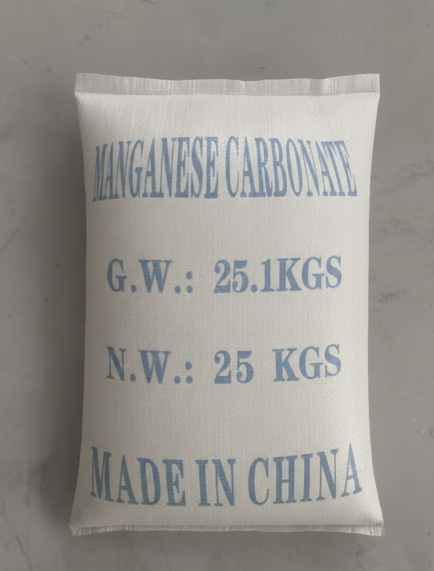
Manganese carbonate (MnCO₃) is an important inorganic manganese salt. It exists in two main forms: natural rhodochrosite (less common) and synthetic manganese carbonate produced industrially, which is the mainstream in the market.
�� Four Main Types and Applications
Based on purity, impurity content, and physical properties, manganese carbonate is generally divided into four categories. Their core differences and applications are summarized below:
|
Type |
Main Characteristics |
Core Application Fields |
|
High-Purity MnCO₃ |
Extremely high purity (typically ≥99.9%), very low heavy metal and other impurities |
Electronic components, high-end soft ferrite magnets, precursors for high-performance catalysts |
|
Battery-Grade MnCO₃ |
High purity (typically ≥99.5%), strict control of K, Na, Ca, Mg, and uniform particle size distribution |
Key manganese source for lithium-ion battery cathode materials (e.g., lithium manganese oxide, lithium iron manganese phosphate) |
|
Industrial-Grade MnCO₃ |
Medium purity (typically 90–99%), lower cost, physical and chemical indicators meet industrial requirements |
Desulfurization catalysts, ceramic glazes and coloring, fertilizer additives, raw material for other manganese salts |
|
Feed-Grade MnCO₃ |
Meets feed hygiene standards, strictly controls arsenic, lead, cadmium, and other harmful heavy metals |
Trace element additive for animal feed, prevents manganese deficiency in livestock and poultry |
⚙️ Main Production Methods
There are two primary industrial methods for producing manganese carbonate:
1. Chemical Synthesis (Mainstream Method):
Manganese sulfate solution reacts with carbonates (e.g., ammonium bicarbonate) to produce manganese carbonate precipitate. The process is relatively simple and cost-effective.
2. Electrolytic Method:
Uses electrolytic manganese as raw material, dissolved in acid and then reacted with carbonate. This method produces ultra-high purity manganese carbonate, but with higher energy consumption and cost.
�� Key Selection Criteria
When selecting manganese carbonate, the following indicators are critical:
· Purity: Determines product grade and application limits.
· Impurity Elements: A key factor in grading products. For example, battery-grade MnCO₃ strictly limits K and Na, while feed-grade MnCO₃ imposes strict heavy metal limits.
· Physical Properties: Includes particle size, particle size distribution, and specific surface area, which directly affect processing performance and electrochemical properties in downstream products (e.g., battery cathode materials).
⚠️ Safety and Storage Notes
Manganese carbonate is a chemical substance and should be handled with care:
· Safety: Dust inhalation is harmful; may irritate eyes and skin. Protective equipment should be worn, and the work environment should be well-ventilated.
· Storage: Keep sealed in a cool, dry, and ventilated place to prevent moisture absorption, caking, or contact with acidic substances.