How does titanium dioxide interact with different substrates in paint?
2026-01-22
As a supplier of paint using titanium dioxide, I've witnessed firsthand the pivotal role this remarkable compound plays in the paint industry. Titanium dioxide (TiO₂) is renowned for its exceptional whiteness, opacity, and durability, making it a staple ingredient in a wide range of paint formulations. In this blog post, I'll delve into how titanium dioxide interacts with different substrates in paint, exploring the science behind these interactions and their implications for paint performance.
Understanding Titanium Dioxide
Titanium dioxide exists in two primary crystalline forms: rutile and anatase. Rutile titanium dioxide is the most commonly used form in paints due to its superior light - scattering properties, which result in higher opacity and brightness. Our Tio2 White Pigment is a prime example of high - quality rutile titanium dioxide, offering excellent pigmentary properties for paint applications.
Interactions with Organic Substrates
Polymers
In paint formulations, polymers serve as binders that hold the pigment particles together and adhere the paint film to the substrate. Titanium dioxide particles interact with polymers through various mechanisms. Firstly, there is physical adsorption. The surface of titanium dioxide particles has a certain degree of polarity, which allows them to adsorb onto the polymer chains. This adsorption helps to disperse the titanium dioxide evenly throughout the polymer matrix, preventing agglomeration.
Secondly, chemical interactions can occur. Some polymers may have functional groups that can form weak chemical bonds with the surface of titanium dioxide. For example, polymers with hydroxyl or carboxyl groups can interact with the titanium atoms on the surface of TiO₂ particles. This interaction can enhance the compatibility between the pigment and the binder, improving the mechanical properties of the paint film, such as its hardness and scratch resistance.
Our Industrial Grade Rutile Titanium Dioxide R1930 With High Quality has been carefully engineered to have a surface chemistry that promotes good interaction with a wide range of polymers. This ensures that the paint has consistent performance, whether it is used in architectural paints with acrylic polymers or industrial coatings with epoxy polymers.
Resins
Resins are another important component in paint, providing adhesion, gloss, and chemical resistance. Titanium dioxide interacts with resins in a similar way to polymers. In alkyd resins, for instance, the titanium dioxide particles can be incorporated into the resin network during the curing process. The surface properties of the titanium dioxide influence how well it can be dispersed in the resin. A well - dispersed titanium dioxide in the resin results in a paint film with uniform color and opacity.
The R1930 General Use Rutile Titanium Dioxide is highly compatible with different types of resins. It can be used in solvent - based and water - based resin systems, offering flexibility in paint formulation. In water - based resin systems, the surface treatment of the titanium dioxide is crucial to prevent flocculation and ensure long - term stability of the paint.
Interactions with Inorganic Substrates
Metals
When paint is applied to metal substrates, titanium dioxide can play a role in protecting the metal from corrosion. The paint film acts as a barrier between the metal and the environment. Titanium dioxide particles in the paint can enhance the barrier properties by filling the voids in the paint film and reducing the permeability of oxygen and water.
The interaction between titanium dioxide and metals can also be influenced by the surface charge of the titanium dioxide particles. In some cases, the titanium dioxide can form a passive layer on the metal surface, which further inhibits the corrosion process. For example, in automotive paints applied to steel substrates, the presence of high - quality titanium dioxide helps to improve the corrosion resistance of the paint - coated metal.
Concrete and Masonry
In architectural paints for concrete and masonry substrates, titanium dioxide interacts with the porous surface of these materials. The paint needs to penetrate the pores of the substrate to provide good adhesion. Titanium dioxide particles can be carried into the pores along with the paint binder. Once inside the pores, they can help to block the ingress of water and other contaminants.
The surface roughness of the concrete or masonry substrate can affect the distribution of titanium dioxide in the paint film. A rougher surface may require a paint with a higher concentration of titanium dioxide to achieve uniform coverage and opacity. Our titanium dioxide products are formulated to be effective in these challenging substrates, providing long - lasting protection and aesthetic appeal.
Factors Affecting Interactions
Particle Size
The particle size of titanium dioxide has a significant impact on its interaction with substrates. Smaller particles have a larger surface area, which means more opportunities for interaction with polymers, resins, or substrates. Smaller particles can also provide better dispersion and higher opacity. However, they may be more prone to agglomeration if not properly dispersed.
Surface Treatment
Surface treatment of titanium dioxide is a key factor in determining its interaction with different substrates. Surface treatments can modify the surface properties of the titanium dioxide, such as its hydrophobicity or hydrophilicity. For example, a hydrophobic surface treatment can improve the compatibility of titanium dioxide with non - polar polymers, while a hydrophilic treatment can be beneficial for water - based paint systems.
Implications for Paint Performance
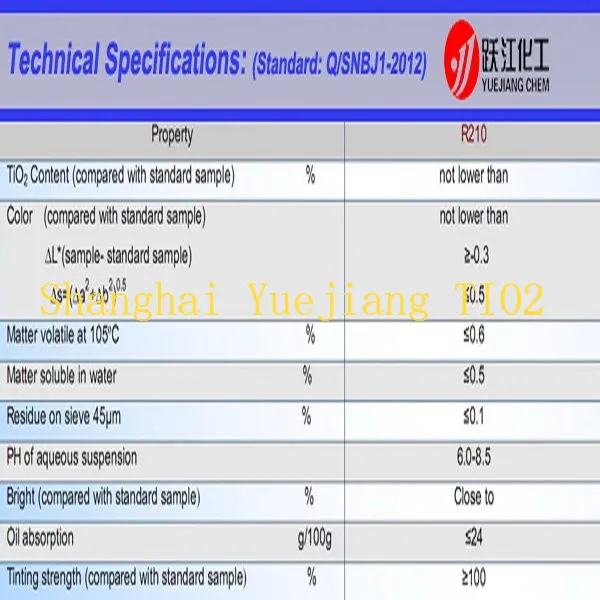
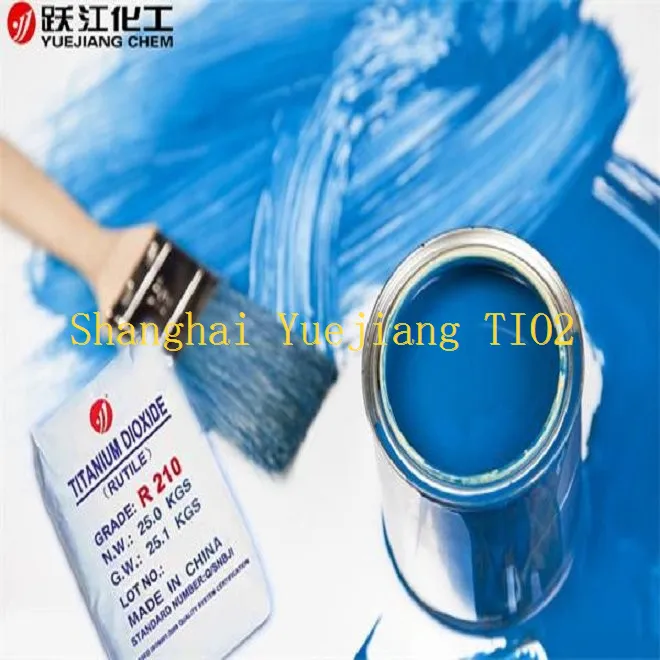
The interactions between titanium dioxide and substrates ultimately affect the performance of the paint. Good interaction leads to better dispersion, which results in uniform color, high opacity, and improved gloss. It also enhances the mechanical properties of the paint film, such as adhesion, hardness, and flexibility.
 |
 |
In terms of durability, proper interaction between titanium dioxide and substrates can improve the paint's resistance to weathering, abrasion, and chemical attack. This is especially important for exterior paints that are exposed to harsh environmental conditions.
Conclusion
The interaction between titanium dioxide and different substrates in paint is a complex but fascinating area of study. As a supplier of paint using titanium dioxide, we understand the importance of these interactions in achieving high - quality paint products. Our Tio2 White Pigment, Industrial Grade Rutile Titanium Dioxide R1930 With High Quality, and R1930 General Use Rutile Titanium Dioxide are designed to optimize these interactions, providing our customers with paints that offer excellent performance and durability.
If you are in the paint industry and are looking for high - quality titanium dioxide products, we invite you to contact us for a detailed discussion on your specific requirements. We are committed to providing you with the best solutions for your paint formulations.
References
• Lewis, L. J. (2006). Titanium Dioxide Pigments. Wiley - VCH Verlag GmbH & Co. KGaA.
• Bock, C. (2010). Pigment Handbook, Volume I: Pigment Chemistry, Properties, and Applications. John Wiley & Sons.
• Wypych, G. (2012). Handbook of Fillers, Second Edition. ChemTec Publishing.
As a supplier of paint using titanium dioxide, I've witnessed firsthand the pivotal role this remarkable compound plays in the paint industry. Titanium dioxide (TiO₂) is renowned for its exceptional whiteness, opacity, and durability, making it a staple ingredient in a wide range of paint formulations. In this blog post, I'll delve into how titanium dioxide interacts with different substrates in paint, exploring the science behind these interactions and their implications for paint performance.
Understanding Titanium Dioxide
Titanium dioxide exists in two primary crystalline forms: rutile and anatase. Rutile titanium dioxide is the most commonly used form in paints due to its superior light - scattering properties, which result in higher opacity and brightness. Our Tio2 White Pigment is a prime example of high - quality rutile titanium dioxide, offering excellent pigmentary properties for paint applications.
Interactions with Organic Substrates
Polymers
In paint formulations, polymers serve as binders that hold the pigment particles together and adhere the paint film to the substrate. Titanium dioxide particles interact with polymers through various mechanisms. Firstly, there is physical adsorption. The surface of titanium dioxide particles has a certain degree of polarity, which allows them to adsorb onto the polymer chains. This adsorption helps to disperse the titanium dioxide evenly throughout the polymer matrix, preventing agglomeration.
Secondly, chemical interactions can occur. Some polymers may have functional groups that can form weak chemical bonds with the surface of titanium dioxide. For example, polymers with hydroxyl or carboxyl groups can interact with the titanium atoms on the surface of TiO₂ particles. This interaction can enhance the compatibility between the pigment and the binder, improving the mechanical properties of the paint film, such as its hardness and scratch resistance.
Our Industrial Grade Rutile Titanium Dioxide R1930 With High Quality has been carefully engineered to have a surface chemistry that promotes good interaction with a wide range of polymers. This ensures that the paint has consistent performance, whether it is used in architectural paints with acrylic polymers or industrial coatings with epoxy polymers.
Resins
Resins are another important component in paint, providing adhesion, gloss, and chemical resistance. Titanium dioxide interacts with resins in a similar way to polymers. In alkyd resins, for instance, the titanium dioxide particles can be incorporated into the resin network during the curing process. The surface properties of the titanium dioxide influence how well it can be dispersed in the resin. A well - dispersed titanium dioxide in the resin results in a paint film with uniform color and opacity.
The R1930 General Use Rutile Titanium Dioxide is highly compatible with different types of resins. It can be used in solvent - based and water - based resin systems, offering flexibility in paint formulation. In water - based resin systems, the surface treatment of the titanium dioxide is crucial to prevent flocculation and ensure long - term stability of the paint.
Interactions with Inorganic Substrates
Metals
When paint is applied to metal substrates, titanium dioxide can play a role in protecting the metal from corrosion. The paint film acts as a barrier between the metal and the environment. Titanium dioxide particles in the paint can enhance the barrier properties by filling the voids in the paint film and reducing the permeability of oxygen and water.
The interaction between titanium dioxide and metals can also be influenced by the surface charge of the titanium dioxide particles. In some cases, the titanium dioxide can form a passive layer on the metal surface, which further inhibits the corrosion process. For example, in automotive paints applied to steel substrates, the presence of high - quality titanium dioxide helps to improve the corrosion resistance of the paint - coated metal.
Concrete and Masonry
In architectural paints for concrete and masonry substrates, titanium dioxide interacts with the porous surface of these materials. The paint needs to penetrate the pores of the substrate to provide good adhesion. Titanium dioxide particles can be carried into the pores along with the paint binder. Once inside the pores, they can help to block the ingress of water and other contaminants.
The surface roughness of the concrete or masonry substrate can affect the distribution of titanium dioxide in the paint film. A rougher surface may require a paint with a higher concentration of titanium dioxide to achieve uniform coverage and opacity. Our titanium dioxide products are formulated to be effective in these challenging substrates, providing long - lasting protection and aesthetic appeal.
Factors Affecting Interactions
Particle Size
The particle size of titanium dioxide has a significant impact on its interaction with substrates. Smaller particles have a larger surface area, which means more opportunities for interaction with polymers, resins, or substrates. Smaller particles can also provide better dispersion and higher opacity. However, they may be more prone to agglomeration if not properly dispersed.
Surface Treatment
Surface treatment of titanium dioxide is a key factor in determining its interaction with different substrates. Surface treatments can modify the surface properties of the titanium dioxide, such as its hydrophobicity or hydrophilicity. For example, a hydrophobic surface treatment can improve the compatibility of titanium dioxide with non - polar polymers, while a hydrophilic treatment can be beneficial for water - based paint systems.
Implications for Paint Performance
The interactions between titanium dioxide and substrates ultimately affect the performance of the paint. Good interaction leads to better dispersion, which results in uniform color, high opacity, and improved gloss. It also enhances the mechanical properties of the paint film, such as adhesion, hardness, and flexibility.
|
|
In terms of durability, proper interaction between titanium dioxide and substrates can improve the paint's resistance to weathering, abrasion, and chemical attack. This is especially important for exterior paints that are exposed to harsh environmental conditions.
Conclusion
The interaction between titanium dioxide and different substrates in paint is a complex but fascinating area of study. As a supplier of paint using titanium dioxide, we understand the importance of these interactions in achieving high - quality paint products. Our Tio2 White Pigment, Industrial Grade Rutile Titanium Dioxide R1930 With High Quality, and R1930 General Use Rutile Titanium Dioxide are designed to optimize these interactions, providing our customers with paints that offer excellent performance and durability.
If you are in the paint industry and are looking for high - quality titanium dioxide products, we invite you to contact us for a detailed discussion on your specific requirements. We are committed to providing you with the best solutions for your paint formulations.
References
• Lewis, L. J. (2006). Titanium Dioxide Pigments. Wiley - VCH Verlag GmbH & Co. KGaA.
• Bock, C. (2010). Pigment Handbook, Volume I: Pigment Chemistry, Properties, and Applications. John Wiley & Sons.
• Wypych, G. (2012). Handbook of Fillers, Second Edition. ChemTec Publishing.
Previous: No More Data
Related News
Navigation
Home
About Usㅤ
Products
News
Application
Contact Us
Products
Titanium Dioxide
Titanium Ore
Specialty Titanium
Functional Fillers
Copyright © 2026 Shanghai Yuejiang Titanium Chemical Manufacturer Co., Ltd.