
How to handle precipitated barium sulphate safely?
2026-01-22
Precipitated barium sulphate is a widely used inorganic chemical product with excellent physical and chemical properties, which is commonly applied in industries such as coatings, plastics, rubber, and papermaking. As a supplier of precipitated barium sulphate, ensuring its safe handling is not only crucial for the well - being of workers but also for maintaining high - quality product delivery. In this blog, I will share some key aspects of safely handling precipitated barium sulphate.
1. Understanding Precipitated Barium Sulphate
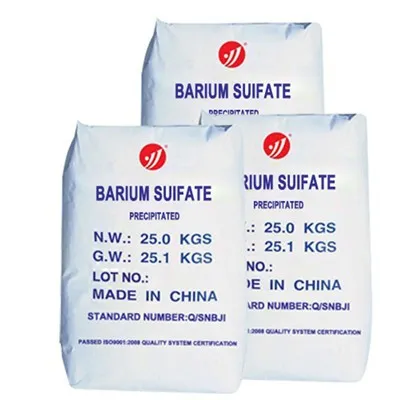
Precipitated barium sulphate, also known as blanc fixe, is a fine white powder. It is chemically stable, insoluble in water, acids, alkalis, and organic solvents. Its high density, good whiteness, and low oil absorption make it a popular filler and extender in various industries. For instance, in the coating industry, it can improve the gloss, hardness, and weather resistance of coatings. You can learn more about our Precipitated Barium Sulphate 1250 Mesh, which is a high - quality product suitable for a wide range of applications.
2. Personal Protective Equipment (PPE)
When handling precipitated barium sulphate, appropriate PPE is essential.
• Respiratory Protection: Although precipitated barium sulphate is generally considered non - toxic, inhaling fine dust particles can cause respiratory irritation. Workers should wear dust masks or respirators, especially in areas with poor ventilation or when handling large quantities of the powder. N95 or equivalent respirators are recommended to effectively filter out fine particles.
• Eye Protection: Safety goggles should be worn to prevent the powder from getting into the eyes. Even a small amount of barium sulphate in the eyes can cause irritation and potential damage.
• Skin Protection: Long - sleeved shirts, long pants, and gloves should be worn to protect the skin from direct contact with the powder. Gloves made of materials such as nitrile or latex are suitable as they provide a good barrier against the powder.
3. Storage Conditions
Proper storage is a key factor in ensuring the safety of precipitated barium sulphate.
• Dry Environment: Precipitated barium sulphate should be stored in a dry place. Moisture can cause the powder to clump, which may affect its quality and handling. A humidity - controlled warehouse is ideal, with a relative humidity maintained below 60%.
• Sealed Containers: It should be stored in sealed containers to prevent the ingress of moisture and foreign substances. Common storage containers include plastic bags, drums, or silos. If stored in bags, they should be placed on pallets to keep them off the floor and away from potential sources of moisture.
• Separation from Incompatible Substances: Precipitated barium sulphate should be stored separately from substances that may react with it. Although it is chemically stable, it is still necessary to avoid contact with strong acids, alkalis, and oxidizing agents.
4. Handling Procedures
• Loading and Unloading: When loading and unloading precipitated barium sulphate, mechanical equipment such as forklifts or conveyor belts should be used as much as possible to reduce manual handling. This not only improves efficiency but also reduces the risk of dust generation. If manual handling is required, workers should be trained on proper lifting techniques to avoid back injuries.
• Mixing and Blending: During the mixing and blending process, it is important to control the dust. Closed - loop mixing systems can be used to minimize the release of dust into the air. If an open - type mixing process is unavoidable, local exhaust ventilation systems should be installed to capture the dust at the source.
• Transfer and Transportation: When transferring precipitated barium sulphate from one container to another or during transportation, it should be ensured that the containers are properly sealed to prevent leakage. Trucks or other transportation vehicles should be clean and dry to avoid contamination of the product.
5. Spill Management
Despite taking precautions, spills may still occur. Here are the steps for handling spills:
• Immediate Action: In case of a spill, the source of the spill should be stopped immediately. If it is a small spill, workers can use a dustpan and brush to collect the powder carefully. For larger spills, a vacuum cleaner with a HEPA filter can be used to avoid spreading the dust.
• Clean - up: After collecting the spilled powder, the affected area should be cleaned thoroughly. A damp cloth or mop can be used to wipe the surface to remove any remaining powder. The collected powder should be properly disposed of according to local regulations.
• Reporting: All spills, regardless of their size, should be reported to the relevant management. This helps in analyzing the causes of the spill and taking preventive measures to avoid similar incidents in the future.
6. Training and Education
All workers involved in handling precipitated barium sulphate should receive comprehensive training.
• Safety Training: Workers should be trained on the proper use of PPE, storage conditions, handling procedures, and spill management. Regular safety training sessions should be conducted to refresh their knowledge and skills.
• Product Knowledge Training: Understanding the properties and characteristics of precipitated barium sulphate is also important. Workers should know how to identify potential hazards and take appropriate measures to deal with them.
7. Emergency Response
An emergency response plan should be in place in case of serious incidents such as large - scale spills or fires (although precipitated barium sulphate is non - flammable).
• First - Aid Measures: In case of accidental exposure, such as inhalation, eye contact, or skin contact, first - aid measures should be clearly defined. For example, if the powder gets into the eyes, the eyes should be flushed with plenty of water for at least 15 minutes and medical attention should be sought immediately.
• Evacuation Plan: In the event of a major incident, an evacuation plan should be established. Workers should know the evacuation routes and assembly points. Regular evacuation drills should be conducted to ensure that all workers are familiar with the procedures.
As a supplier of precipitated barium sulphate, we are committed to providing high - quality products and ensuring the safety of our customers and workers. If you are interested in purchasing our precipitated barium sulphate products, such as our Precipitated Barium Sulphate 1250 Mesh, please feel free to contact us for further details and to start the procurement negotiation process.
References
• "Handbook of Chemical Hazard Analysis and Risk Assessment."
• Industry standards and guidelines related to the handling of inorganic chemical products.
Precipitated barium sulphate is a widely used inorganic chemical product with excellent physical and chemical properties, which is commonly applied in industries such as coatings, plastics, rubber, and papermaking. As a supplier of precipitated barium sulphate, ensuring its safe handling is not only crucial for the well - being of workers but also for maintaining high - quality product delivery. In this blog, I will share some key aspects of safely handling precipitated barium sulphate.
1. Understanding Precipitated Barium Sulphate
Precipitated barium sulphate, also known as blanc fixe, is a fine white powder. It is chemically stable, insoluble in water, acids, alkalis, and organic solvents. Its high density, good whiteness, and low oil absorption make it a popular filler and extender in various industries. For instance, in the coating industry, it can improve the gloss, hardness, and weather resistance of coatings. You can learn more about our Precipitated Barium Sulphate 1250 Mesh, which is a high - quality product suitable for a wide range of applications.
2. Personal Protective Equipment (PPE)
When handling precipitated barium sulphate, appropriate PPE is essential.
• Respiratory Protection: Although precipitated barium sulphate is generally considered non - toxic, inhaling fine dust particles can cause respiratory irritation. Workers should wear dust masks or respirators, especially in areas with poor ventilation or when handling large quantities of the powder. N95 or equivalent respirators are recommended to effectively filter out fine particles.
• Eye Protection: Safety goggles should be worn to prevent the powder from getting into the eyes. Even a small amount of barium sulphate in the eyes can cause irritation and potential damage.
• Skin Protection: Long - sleeved shirts, long pants, and gloves should be worn to protect the skin from direct contact with the powder. Gloves made of materials such as nitrile or latex are suitable as they provide a good barrier against the powder.
3. Storage Conditions
Proper storage is a key factor in ensuring the safety of precipitated barium sulphate.
• Dry Environment: Precipitated barium sulphate should be stored in a dry place. Moisture can cause the powder to clump, which may affect its quality and handling. A humidity - controlled warehouse is ideal, with a relative humidity maintained below 60%.
• Sealed Containers: It should be stored in sealed containers to prevent the ingress of moisture and foreign substances. Common storage containers include plastic bags, drums, or silos. If stored in bags, they should be placed on pallets to keep them off the floor and away from potential sources of moisture.
• Separation from Incompatible Substances: Precipitated barium sulphate should be stored separately from substances that may react with it. Although it is chemically stable, it is still necessary to avoid contact with strong acids, alkalis, and oxidizing agents.
4. Handling Procedures
• Loading and Unloading: When loading and unloading precipitated barium sulphate, mechanical equipment such as forklifts or conveyor belts should be used as much as possible to reduce manual handling. This not only improves efficiency but also reduces the risk of dust generation. If manual handling is required, workers should be trained on proper lifting techniques to avoid back injuries.
• Mixing and Blending: During the mixing and blending process, it is important to control the dust. Closed - loop mixing systems can be used to minimize the release of dust into the air. If an open - type mixing process is unavoidable, local exhaust ventilation systems should be installed to capture the dust at the source.
• Transfer and Transportation: When transferring precipitated barium sulphate from one container to another or during transportation, it should be ensured that the containers are properly sealed to prevent leakage. Trucks or other transportation vehicles should be clean and dry to avoid contamination of the product.
5. Spill Management
Despite taking precautions, spills may still occur. Here are the steps for handling spills:
• Immediate Action: In case of a spill, the source of the spill should be stopped immediately. If it is a small spill, workers can use a dustpan and brush to collect the powder carefully. For larger spills, a vacuum cleaner with a HEPA filter can be used to avoid spreading the dust.
• Clean - up: After collecting the spilled powder, the affected area should be cleaned thoroughly. A damp cloth or mop can be used to wipe the surface to remove any remaining powder. The collected powder should be properly disposed of according to local regulations.
• Reporting: All spills, regardless of their size, should be reported to the relevant management. This helps in analyzing the causes of the spill and taking preventive measures to avoid similar incidents in the future.
6. Training and Education
All workers involved in handling precipitated barium sulphate should receive comprehensive training.
• Safety Training: Workers should be trained on the proper use of PPE, storage conditions, handling procedures, and spill management. Regular safety training sessions should be conducted to refresh their knowledge and skills.
• Product Knowledge Training: Understanding the properties and characteristics of precipitated barium sulphate is also important. Workers should know how to identify potential hazards and take appropriate measures to deal with them.
7. Emergency Response
An emergency response plan should be in place in case of serious incidents such as large - scale spills or fires (although precipitated barium sulphate is non - flammable).
• First - Aid Measures: In case of accidental exposure, such as inhalation, eye contact, or skin contact, first - aid measures should be clearly defined. For example, if the powder gets into the eyes, the eyes should be flushed with plenty of water for at least 15 minutes and medical attention should be sought immediately.
• Evacuation Plan: In the event of a major incident, an evacuation plan should be established. Workers should know the evacuation routes and assembly points. Regular evacuation drills should be conducted to ensure that all workers are familiar with the procedures.
As a supplier of precipitated barium sulphate, we are committed to providing high - quality products and ensuring the safety of our customers and workers. If you are interested in purchasing our precipitated barium sulphate products, such as our Precipitated Barium Sulphate 1250 Mesh, please feel free to contact us for further details and to start the procurement negotiation process.
References
• "Handbook of Chemical Hazard Analysis and Risk Assessment."
• Industry standards and guidelines related to the handling of inorganic chemical products.
Related News
Navigation
Home
About Usㅤ
Products
News
Application
Contact Us
Products
Titanium Dioxide
Titanium Ore
Specialty Titanium
Functional Fillers
Copyright © 2026 Shanghai Yuejiang Titanium Chemical Manufacturer Co., Ltd.